

Mon Mar 09 2020
Using a Credit Card to Donate to Charity
One of the many benefits credit cards offer is convenience. While they’re primarily known for the convenience they offer in purchasing and getting things, did you know they can

FDIC-Insured - Backed by the full faith and credit of the U.S. Government
Author: Marc Klein
October 24, 2023
Charity and disaster scams target well-intentioned people who are looking to give to charitable causes. Thankfully, there are ways you can protect yourself.
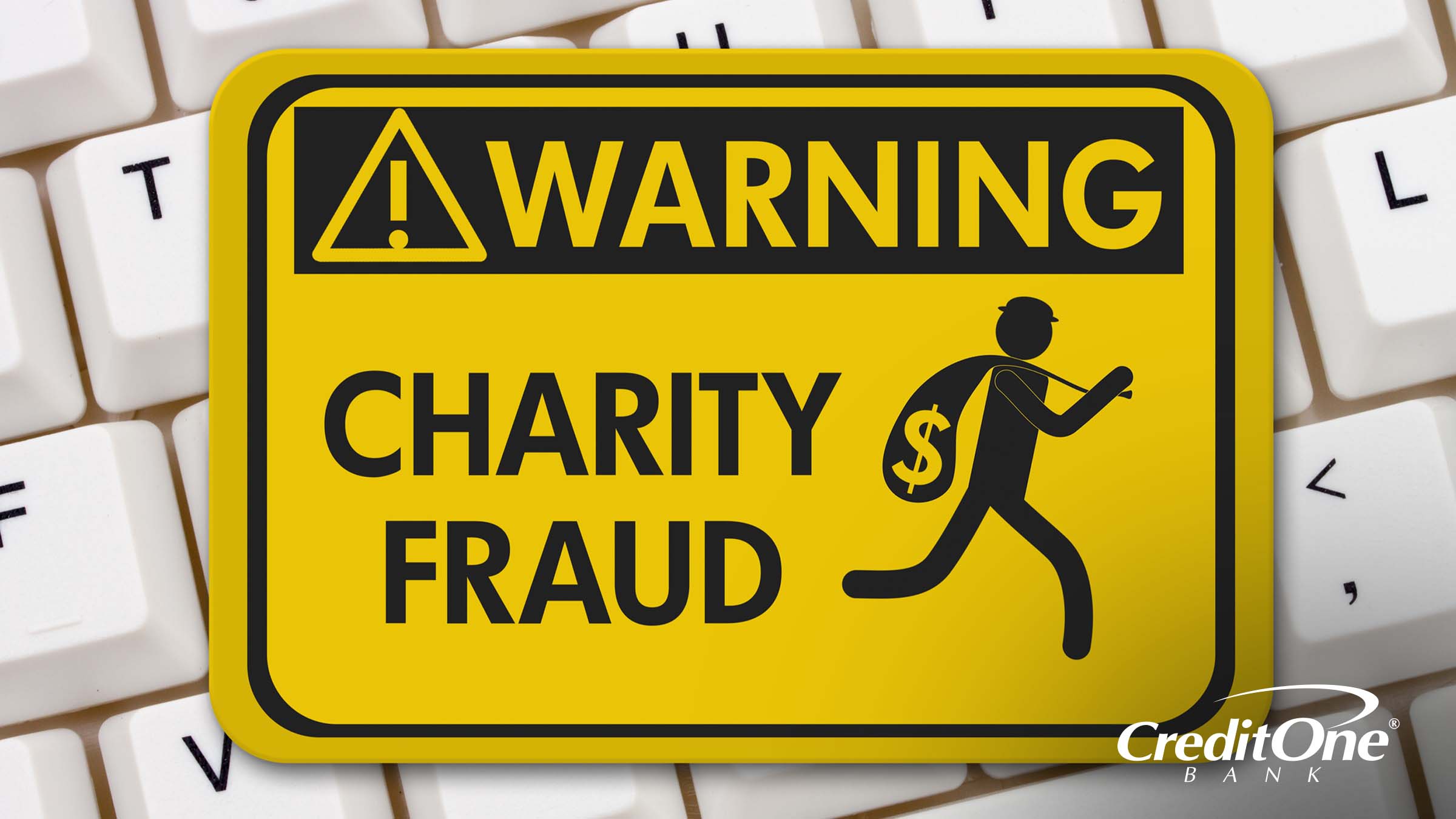
Unfortunately, there are some bad apples out there looking to take advantage of others. According to the Federal Trade Commission, consumers lost nearly $8.8 billion to fraud in 2022. That’s billion with a “b.” And, sadly, this issue isn’t going away.
There’s a wide range of scams, with new types surfacing all the time — all with the intention of bilking victims out of their hard-earned money. And while scammers aren’t particularly picky with who they take money from or when they do it, they tend to target the more vulnerable members of society and take advantage of societal problems for their own gain. A perfect example of this: charity and disaster fraud.
Charity and disaster scams appeal to your sense of compassion. The scammer pretends to be from a charity, like the Red Cross, and they say they need your help — more specifically your money — to help save lives.
As sad as it is, when a tragic event takes place, oftentimes fraud follows. A couple of notable examples include:
So how are these fraudsters committing their crimes? In a variety of ways and involving any number of the classic scam strategies such as phishing, spear phishing, threatening, or overcharging.
So, how can you tell what’s real and what’s a scam?
Don’t worry … there are many charitable organizations that are actually trying to help. But how do you donate securely?
Fraudsters will gladly steal money from anyone, no matter your age, income level, education, or any other demographic characteristic. But some could be more at risk in certain situations than others.
There are also specific environmental and emotional factors that may make certain individuals more susceptible than others. According to a 2021 AARP report, there are four main factors that may increase susceptibility to scams:
Changes in environment or stressful situations, such as a natural disaster.
A heightened emotional state, either positive or negative.
Exposure to fraud in the past.
A lack of support systems.
You can see how all four of those previous factors could make someone more vulnerable to fraud. So, how do we protect ourselves?
We’ve talked about how to spot and avoid fraud. But what do you do if you or a loved one discover that you’re a victim?
Unfortunately, fraud can have pretty serious short- and long-term impacts.
Sadly, when disaster occurs, fraudsters typically follow, trying to take advantage of those in their most fragile and emotional state. So knowing what to look for and how to respond is key to avoiding falling victim.

About the author:
Marc KleinWith his eyes set on becoming the next great ad man (at least until his comedy writing career took off), Marc earned his journalism degree and went straight into advertising for various gaming and tourism clients. He later expanded his credentials to include public affairs and communications work for several environmental science organizations before returning to his marketing roots. A lifelong scholar with recent studies in strategic communication, Marc enjoys tying humor into his writing and simplifying complex financial subjects into engaging and easy-to-digest content for a wide variety of audiences.
This material is for informational purposes only and is not intended to replace the advice of a qualified tax advisor, attorney or financial advisor. Readers should consult with their own tax advisor, attorney or financial advisor with regard to their personal situations.
Mon Mar 09 2020
One of the many benefits credit cards offer is convenience. While they’re primarily known for the convenience they offer in purchasing and getting things, did you know they can
Wed Dec 09 2020
If you’re worried that someone might steal your identity, you may be thinking about signing up for identity theft protection. But, while “protection” might be in the description
Tue Aug 05 2025
Credit card scams constantly evolve and criminals are getting more sophisticated. Protect yourself and your credit cards by knowing the latest signs of fraud.